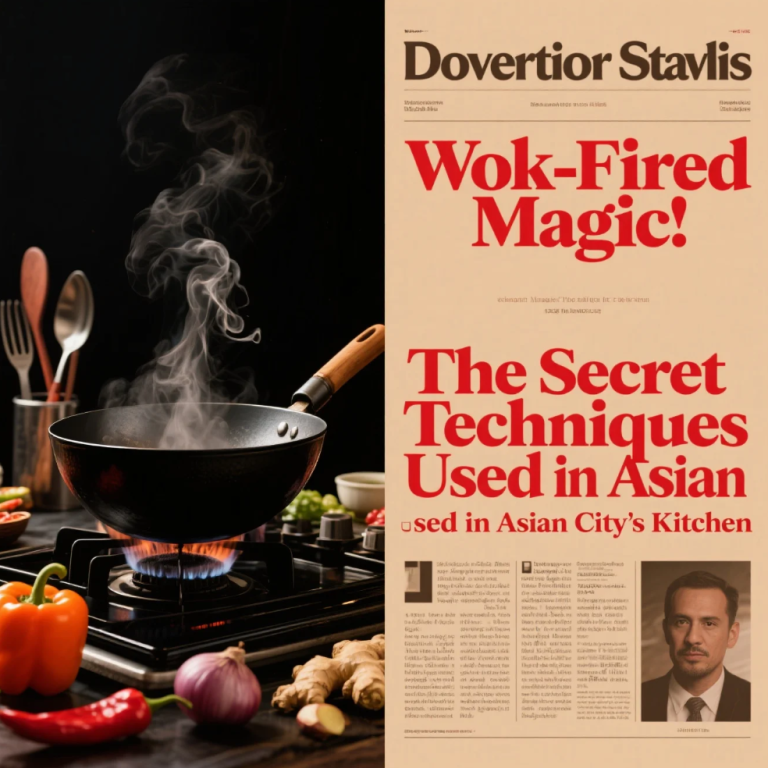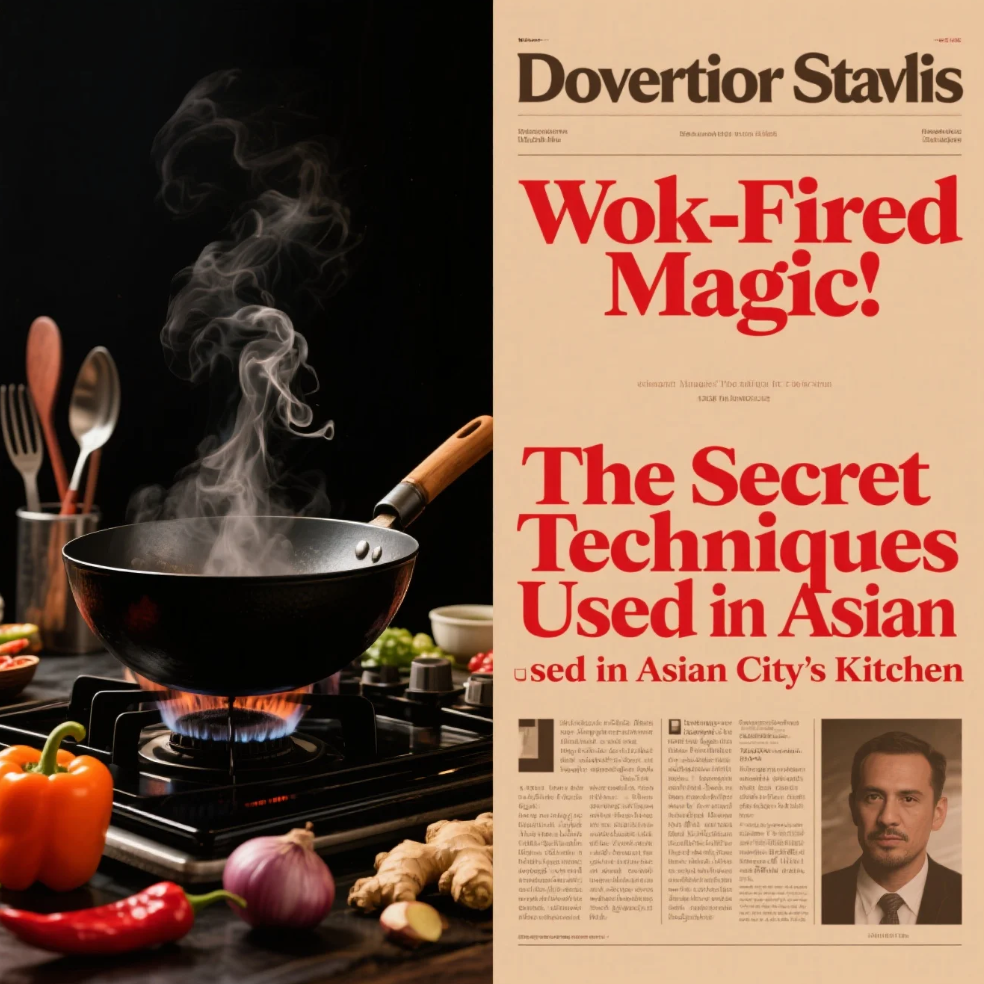
There’s a reason Asian City’s dishes taste unmistakably vibrant, smoky, and unforgettable. Behind every sizzling plate is a blend of time-honored culinary traditions and expert techniques that elevate simple ingredients into bold, aromatic creations. This guide reveals the wok-fired magic Asian City is known for—and the secrets that make its flavors stand out.
1. The Art of High Heat: Mastering “Wok Hei”
At the heart of Asian City’s cooking is the iconic concept of wok hei—the “breath of the wok.”
What is wok hei?
It’s the smoky, charred aroma created when food is cooked quickly over extremely high heat.
How Asian City achieves it:
- Industrial burners hotter than home stoves
- Quick, precise movements to keep ingredients from burning
- Perfect timing to sear without overcooking
This technique gives dishes their signature depth and aroma—especially stir-fries, noodles, and fried rice.
Learn more about wok hei:
https://www.seriouseats.com/wok-hei-definition-cantonese-cooking
2. Rapid Stir-Frying: Speed Meets Precision
Stir-frying might look simple, but Asian City’s chefs train for years to perfect it.
Key elements:
- Prepped ingredients arranged for lightning-fast cooking
- Continuous tossing to ensure even heat exposure
- Layered flavor building—aromatics first, proteins second, sauces last
This technique locks in freshness while creating bold, balanced flavors.
3. Flavor Building Through Aromatic Foundations
Before anything hits the wok, Asian City’s chefs begin with deeply aromatic ingredients.
Common aromatics:
- Garlic
- Ginger
- Scallions
- Shallots
- Lemongrass
- Chili peppers
These aromatics are “bloomed” in oil, infusing each dish with a rich, fragrant base that enhances every bite.
4. The Perfect Cut: Uniform Ingredients for Even Cooking
Asian City emphasizes knife skills that ensure fast, even cooking—a core part of wok-fired cuisine.
Techniques include:
- Julienne cuts for quick-fry vegetables
- Thin slicing for meats to prevent toughness
- Dicing aromatics for maximum surface area
- Bias cuts to add elegance to plating
Uniform cuts allow ingredients to cook at the same pace—critical when everything happens in seconds.
5. Sauce Crafting: Balancing Sweet, Salty, Sour & Umami
In Asian cooking, sauce isn’t an afterthought—it’s the core flavor.
Asian City’s chefs craft sauces by balancing the four pillars:
- Sweet
- Salty
- Sour
- Umami
Common ingredients:
- Soy sauce
- Rice vinegar
- Fish sauce
- Oyster sauce
- Tamarind
- Chili paste
- Sesame oil
The result is a layered taste profile that feels both comforting and dynamic.
6. Marination & Tenderization Techniques
To ensure proteins stay juicy and flavorful, Asian City uses specialized marination methods.
Techniques include:
- Velveting (marinating meat with cornstarch, egg white, and seasoning)
- Overnight marinades for deep absorption
- Quick marinades for lighter, fresher dishes
- Tenderizing cuts for even texture
This step ensures proteins stay tender even under intense wok heat.
7. Timing Is Everything: Strategic Ingredient Order
Cooking in a wok is like conducting an orchestra—every ingredient enters at the perfect moment.
Sequence matters:
- Oil and aromatics
- Proteins (fast-sear)
- Vegetables (based on hardness)
- Noodles or rice
- Sauces
- Fresh garnishes
This choreography guarantees perfect texture and flavor in every dish.
8. Finishing Touches That Elevate Every Plate
Asian City adds final elements to enhance aroma, texture, and presentation.
Common finishing touches:
- Sesame seeds
- Fresh herbs like cilantro or Thai basil
- Crispy shallots
- Chili oil drizzle
- Lime wedges for brightness
These small details amplify the entire dining experience.
Conclusion
The wok-fired magic Asian City is known for doesn’t come from a single technique—it’s the harmony of heat, timing, preparation, and culinary artistry. By mastering wok hei, crafting balanced sauces, and building flavors with precision, Asian City transforms every dish into a celebration of Asian cuisine.
Whether you’re savoring noodles, stir-fries, or sizzling plates, now you know the secret: it’s passion, skill, and the unmistakable breath of the wok.
About the Author