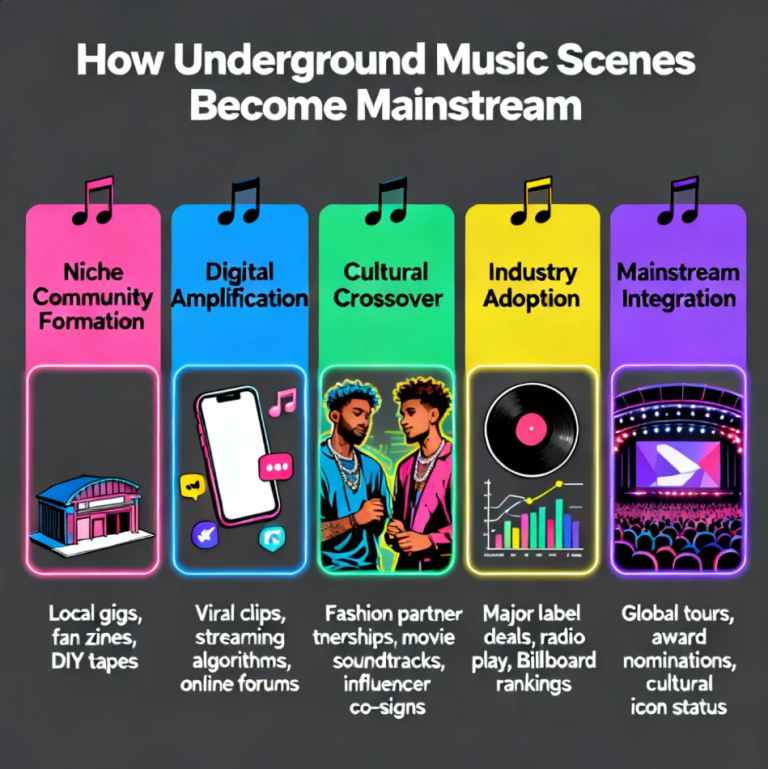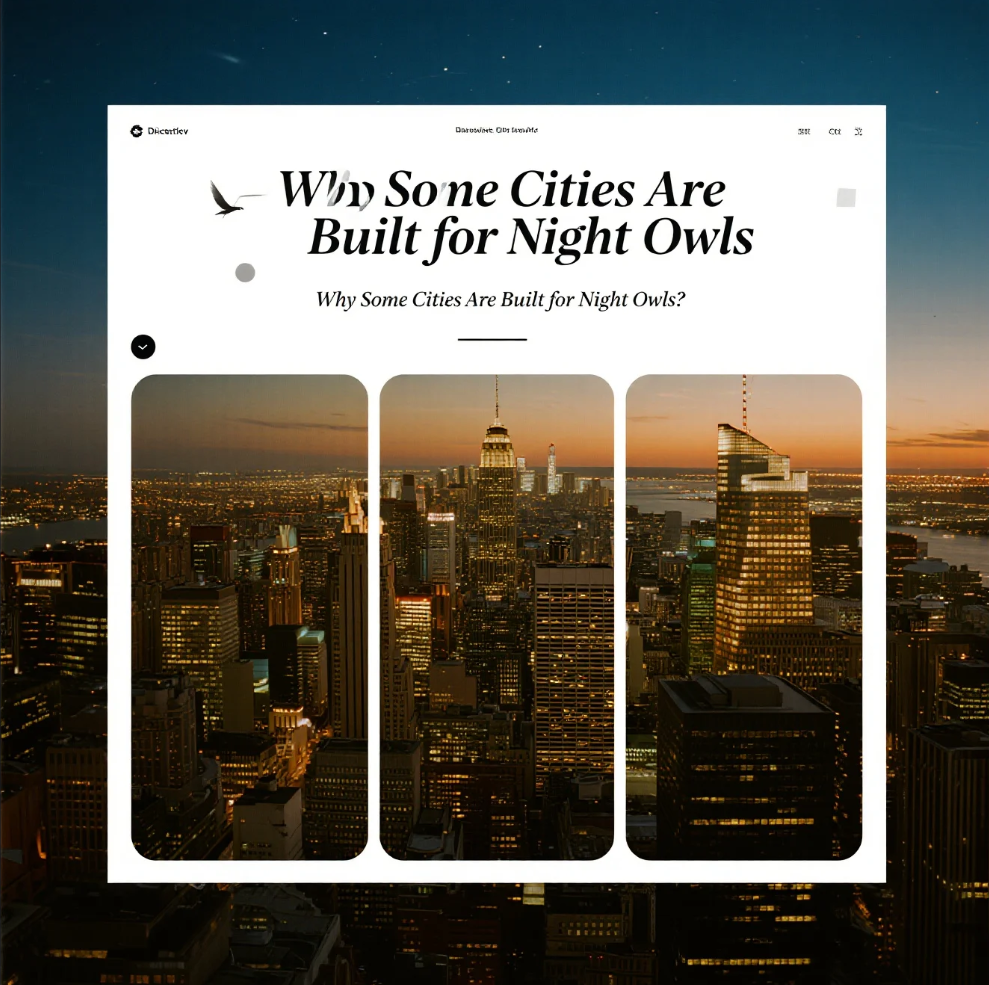
While many cities slow down after sunset, others seem to come alive. Restaurants stay open late, public transport runs through the night, and streets buzz with energy long past midnight. These are cities built for night owls — urban environments designed, intentionally or organically, to thrive after dark.
But why do some cities embrace the night while others shut down early? The answer lies in a mix of culture, economics, history, and urban design.
The Role of Culture and Lifestyle
Culture is one of the strongest drivers of nighttime activity.
In many cities, late-night living is deeply embedded in daily life:
- Dinner times start late
- Socializing happens after dark
- Music, arts, and nightlife are central to identity
Cities like Madrid, Tokyo, and New York reflect cultures where evenings are not an ending — they’re a beginning.
According to National Geographic, urban nightlife often mirrors cultural attitudes toward time, leisure, and community:
https://www.nationalgeographic.com/culture/article/cities-that-never-sleep
24-Hour Economies Keep Cities Awake
Some cities are designed to operate around the clock.
A 24-hour economy includes:
- Late-night dining and entertainment
- Night shifts in healthcare, logistics, and media
- All-night public transportation
- Convenience-focused retail
These systems support workers, creatives, travelers, and night owls alike, creating cities that never fully sleep.
Research from The Brookings Institution shows that nighttime economies significantly contribute to urban growth and employment:
https://www.brookings.edu/articles/the-rise-of-the-nighttime-economy/
Urban Design That Supports Night Life
Cities built for night owls don’t just stay open — they feel safe and functional after dark.
Key design features include:
- Well-lit streets and public spaces
- Reliable late-night transit
- Mixed-use neighborhoods
- Walkable entertainment districts
Urban planners increasingly recognize that inclusive city design must account for nighttime activity, not just daytime flow.
Climate and Geography Matter
In hotter regions, life naturally shifts to the evening.
Cities in warm climates often see:
- Late dinners to avoid daytime heat
- Bustling night markets
- Evening-focused social life
In these places, nighttime isn’t just a preference — it’s a practical adaptation.
Creative and Entertainment Industries Drive the Night
Music, film, fashion, hospitality, and tech all thrive on flexible schedules.
Cities with strong creative industries tend to:
- Encourage late hours
- Support nightlife venues
- Attract night-oriented professionals
As Forbes notes, nightlife and creativity often go hand in hand in global cities:
https://www.forbes.com/sites/forbesbusinesscouncil/nightlife-economy/
Who Benefits From Night-Owl Cities?
Cities that function after dark serve more than partygoers.
They support:
- Shift workers and essential staff
- Freelancers and creatives
- Travelers and tourists
- Small businesses and vendors
A vibrant night city is often a more inclusive city, accommodating different rhythms of life.
The Challenges of Nighttime Cities
Being built for night owls comes with responsibilities.
Cities must manage:
- Noise and residential balance
- Public safety
- Transportation costs
- Worker protections
The goal isn’t constant activity, but sustainable nighttime vibrancy that benefits residents and businesses alike.
Why Night-Owl Cities Are the Future
As work becomes more flexible and global, traditional schedules are fading. Cities that adapt to varied lifestyles gain a competitive edge.
Cities built for night owls are:
- More resilient
- More inclusive
- More culturally alive
They recognize that urban life doesn’t end at sunset — it simply changes.
About the Author