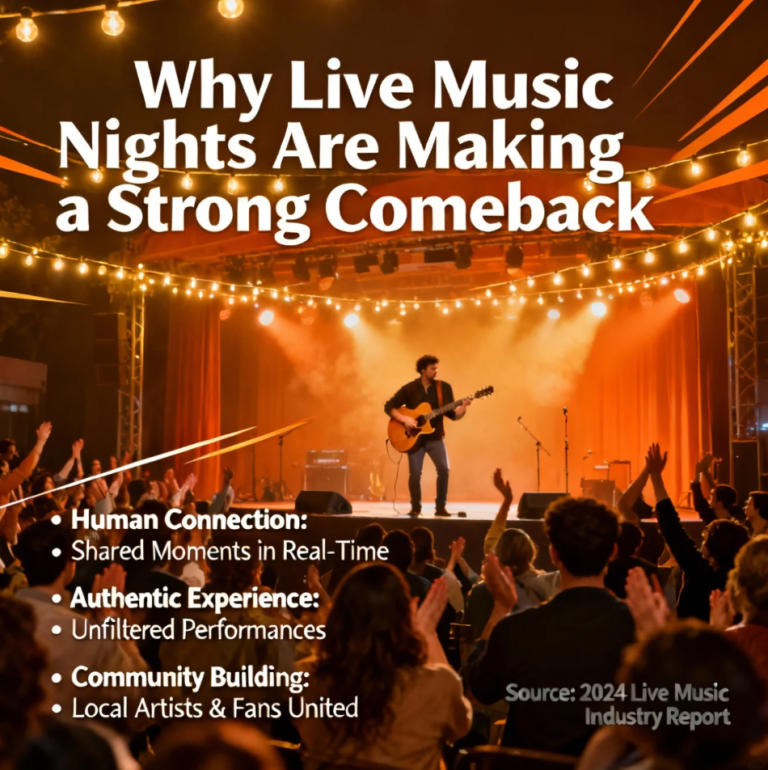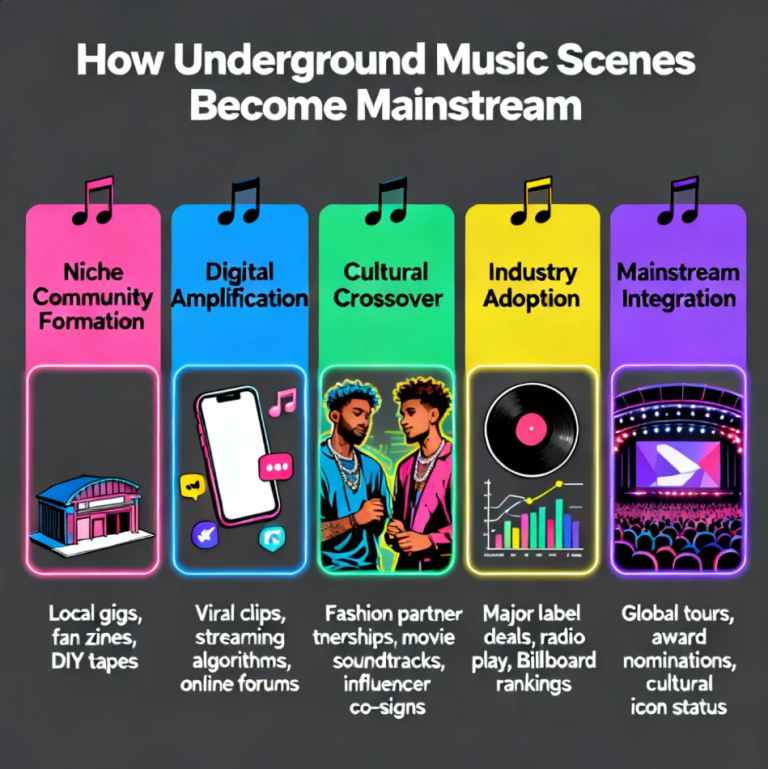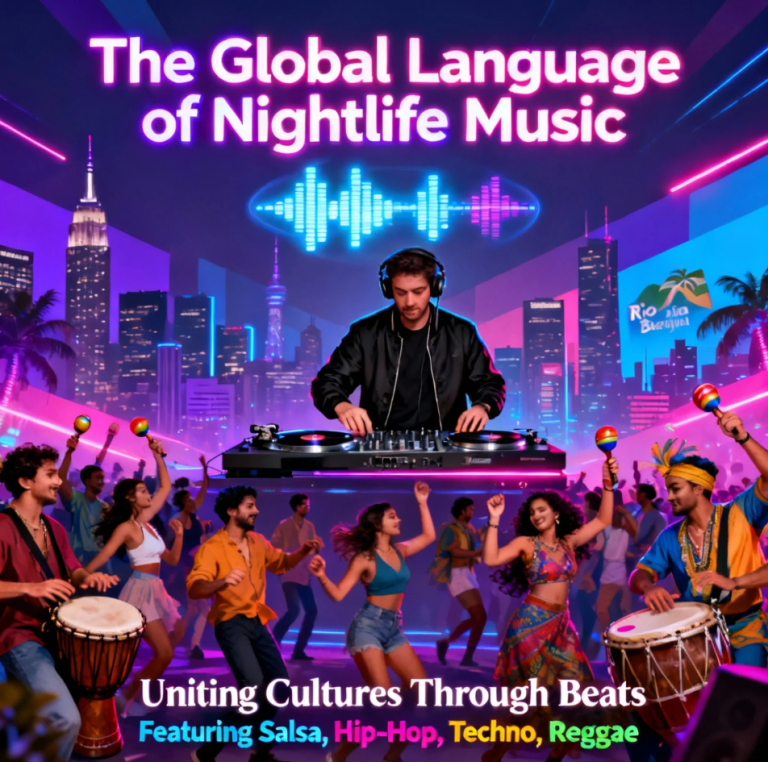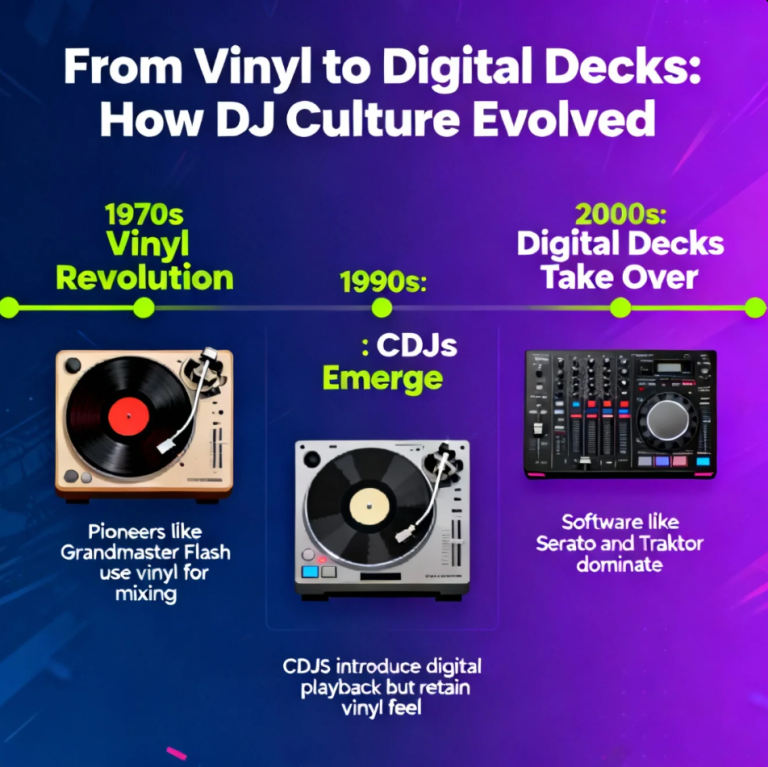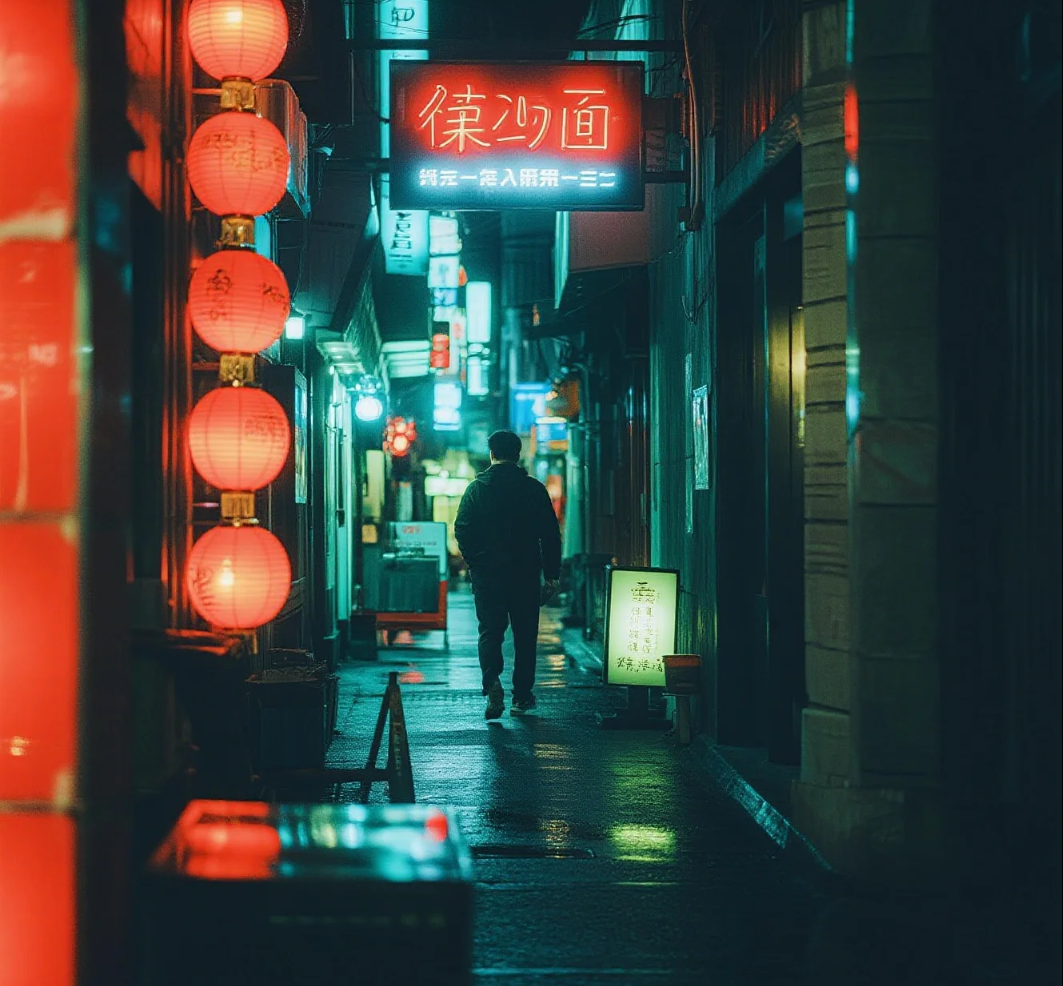
When the sun goes down, a different kind of travel economy comes alive. From rooftop bars in Bangkok to underground clubs in Berlin, nightlife tourism has become a major driver of global travel. What was once a side attraction is now, for many destinations, the main reason people book flights.
So why is nightlife tourism bigger than ever—and why does it show no signs of slowing down?
The Rise of the After-Dark Economy
Nightlife tourism has grown alongside a broader shift toward experience-driven travel. Modern travelers are no longer satisfied with sightseeing alone—they want energy, atmosphere, and connection.
What Defines Nightlife Tourism
- Clubs, bars, and live music venues
- Night markets and late-night dining
- Festivals, DJ events, and cultural nightlife
- 24-hour entertainment districts
Cities that embrace the night economy often see longer visitor stays and higher per-capita spending.
👉 Urban tourism insights:
World Tourism Organization (UNWTO)
https://www.unwto.org/
Younger Travelers Are Leading the Boom
Millennials and Gen Z have reshaped global travel priorities.
Key Behavioral Shifts
- Preference for social, shared experiences
- Strong influence of social media and nightlife content
- Interest in music, nightlife culture, and events
- Willingness to travel specifically for parties and festivals
Destinations like Ibiza, Miami, Seoul, and Tulum thrive largely because they align perfectly with these preferences.
Social Media as a Growth Engine
Platforms like Instagram, TikTok, and YouTube have transformed nightlife into global marketing content.
- Viral club videos create instant destination appeal
- DJs and nightlife influencers attract international audiences
- “Night aesthetic” content drives aspirational travel
In many cases, a single viral night out can put a destination on the global tourism map.
Music Festivals and Event Tourism
Large-scale events are one of the strongest forces behind nightlife tourism growth.
Examples of Event-Driven Nightlife Travel
- Electronic music festivals
- Cultural night festivals
- Beach party weekends
- City-wide nightlife takeovers
These events generate massive short-term tourism spikes while strengthening long-term destination branding.
👉 Event tourism overview:
Statista – Music & Event Tourism
https://www.statista.com/
Cities Are Actively Investing in Nightlife
Local governments increasingly recognize nightlife as an economic asset.
How Cities Support Nightlife Tourism
- Appointing “night mayors” or night-time commissions
- Extending operating hours
- Improving late-night transport
- Licensing entertainment districts
Cities like London, Amsterdam, and Tokyo have formal nightlife policies designed to balance culture, safety, and economic growth.
Nightlife Is No Longer Just About Alcohol
Modern nightlife tourism has diversified beyond traditional clubbing.
New Nightlife Experiences
- Alcohol-free night venues
- Immersive art and music spaces
- Night wellness experiences
- Food-focused nightlife (night markets, chef pop-ups)
This expansion attracts wider demographics, including older travelers and culture-focused visitors.
Global Connectivity and Budget Travel
Cheaper flights and improved global connectivity have made nightlife tourism more accessible.
- Weekend party trips are now common
- Cross-border nightlife tourism is rising
- Regional nightlife hubs attract international crowds
This ease of movement has turned nightlife hotspots into global meeting points.
Economic Impact of Nightlife Tourism
Nightlife tourism delivers benefits beyond entertainment venues.
- Job creation in hospitality and security
- Increased revenue for transport and food sectors
- Revitalization of urban districts
- Extended tourism seasons beyond daytime attractions
For many cities, nightlife is now a pillar of the local economy.
Challenges That Come with Growth
Despite its popularity, nightlife tourism also presents challenges:
- Noise and resident concerns
- Safety and crowd management
- Sustainability and over-tourism
- Regulation and licensing pressure
The most successful destinations are those that manage nightlife growth responsibly rather than suppress it.
Conclusion
Nightlife tourism is bigger than ever because it speaks directly to how people want to travel today: socially, emotionally, and experientially. As cities compete for global attention, those that invest in vibrant, inclusive, and well-managed nightlife are reaping the rewards.
In a world where memories matter more than monuments, the night has become one of travel’s most powerful attractions.
About the Author