Every major music trend—from hip-hop and punk to electronic dance music—started far from the mainstream. Underground music scenes are often born in basements, small clubs, and online communities, driven by raw creativity rather than commercial goals. Yet over time, some of these scenes break through and reshape popular culture.
Understanding how underground music scenes become mainstream reveals the powerful relationship between culture, technology, and audience influence.
What Defines an Underground Music Scene?
An underground music scene is typically characterized by:
- Independent artists and labels
- DIY production and promotion
- Strong community identity
- Resistance to commercial norms
- Unique sound or message
These scenes thrive on authenticity, often existing in contrast to mainstream music trends.
The Role of Community and Subculture
🤝 Grassroots Support
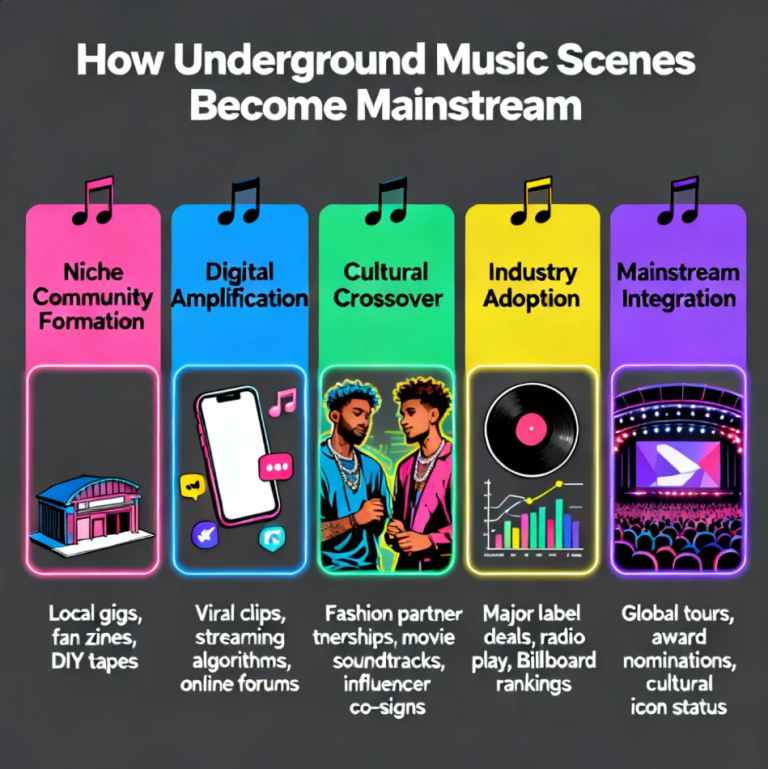
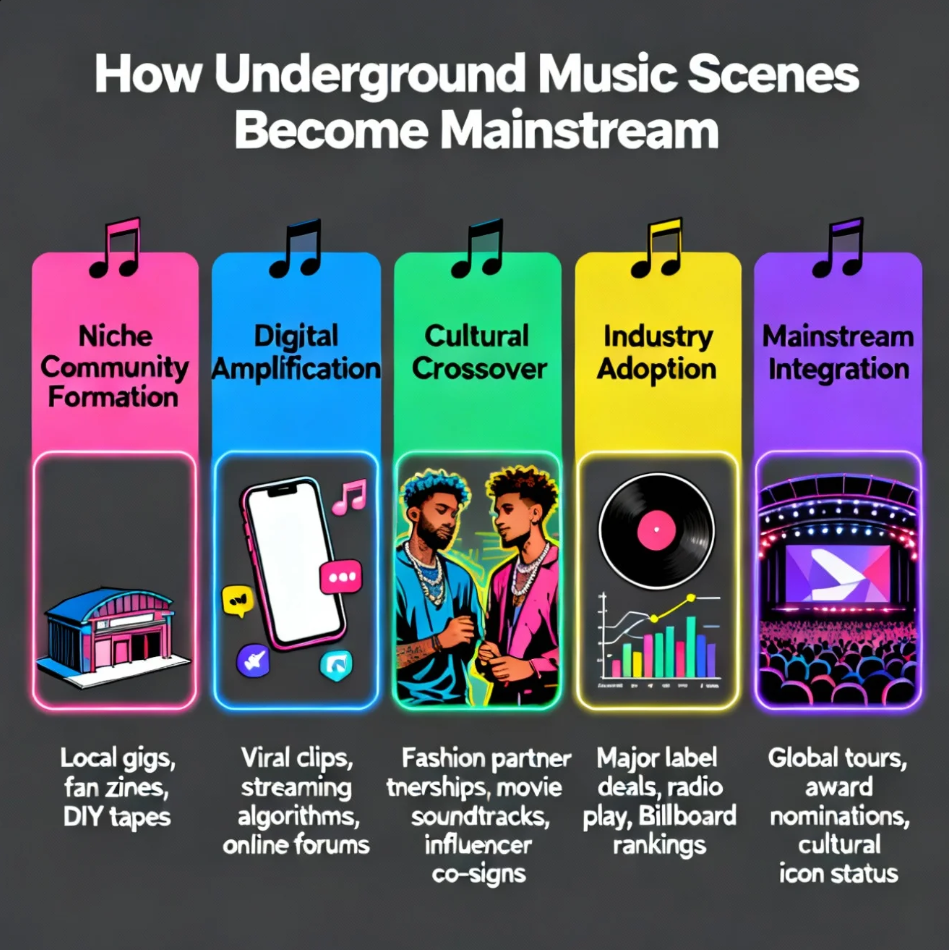
Local fans, small venues, and independent promoters form the backbone of underground scenes. Word-of-mouth, flyers, and intimate shows help build loyal audiences.
🧠 Cultural Identity
Music scenes often reflect social, political, or cultural movements. This shared identity creates emotional connections that attract dedicated followers.
Technology as a Turning Point
🌐 Social Media and Streaming Platforms
Platforms like SoundCloud, Bandcamp, YouTube, and TikTok have revolutionized music discovery. Artists can now reach global audiences without traditional industry gatekeepers.
📈 Viral Moments
A single track, performance, or trend can propel an underground artist into mainstream visibility almost overnight.
Industry Recognition and Media Exposure
As underground scenes gain traction, mainstream media and record labels take notice. This often includes:
- Coverage by music blogs and magazines
- Festival bookings
- Playlist placements
- Label partnerships or distribution deals
At this stage, the sound reaches a broader audience while still carrying underground roots.
The Balance Between Authenticity and Commercial Success
One of the biggest challenges for underground music scenes is maintaining authenticity. Artists who successfully transition to the mainstream often:
- Stay connected to their original community
- Retain creative control
- Use mainstream exposure to amplify, not dilute, their message
This balance is key to long-term success and cultural impact.
Examples of Underground Scenes Going Mainstream
Many genres followed this path:
- Hip-hop emerging from block parties and local radio
- Punk rock moving from small clubs to global stages
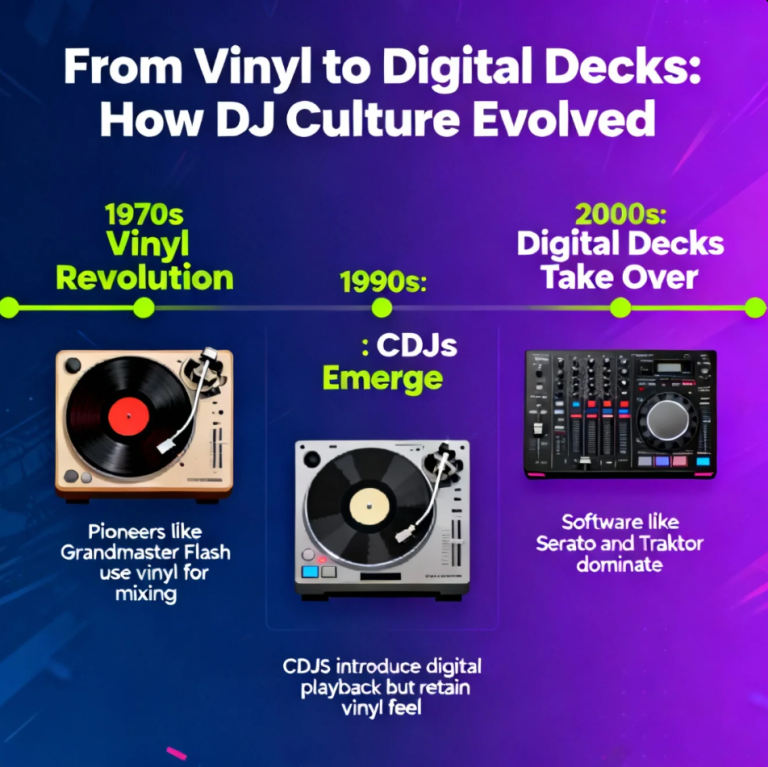
- Electronic music evolving from underground raves to festival headliners
Each example highlights how grassroots creativity can transform popular music.
The Future of Underground Music
As digital tools continue to evolve, underground scenes may reach mainstream audiences faster than ever. However, new underground movements will always emerge, ensuring a continuous cycle of innovation and cultural renewal.
Conclusion
Underground music scenes shape the future of mainstream music by challenging norms and pushing creative boundaries. When community passion, technology, and cultural relevance align, these scenes can move from the shadows into the spotlight—while leaving a lasting mark on global music culture.
About the Author