Food is never just food. Across cultures and generations, meals serve as stories on a plate—expressions of history, identity, belief, and emotion. When prepared and presented with intention, a dish becomes a narrative, telling us where it comes from, who made it, and why it matters.
This article explores food as storytelling, uncovering what each dish represents beyond flavor and presentation.
Food as Cultural Memory
Recipes That Carry History
Many traditional dishes are living archives. Passed down through generations, they preserve:
- Ancestral knowledge
- Local ingredients and climates
- Survival, celebration, and adaptation
For example, slow-cooked stews often originate from times of scarcity, while festive dishes reflect abundance and communal joy. Every ingredient choice reflects a historical moment.
🔗 Outbound link: Smithsonian Magazine – Food and Cultural History
https://www.smithsonianmag.com/food/
Ingredients as Symbols
Meaning Beyond Taste
Ingredients often carry symbolic weight:
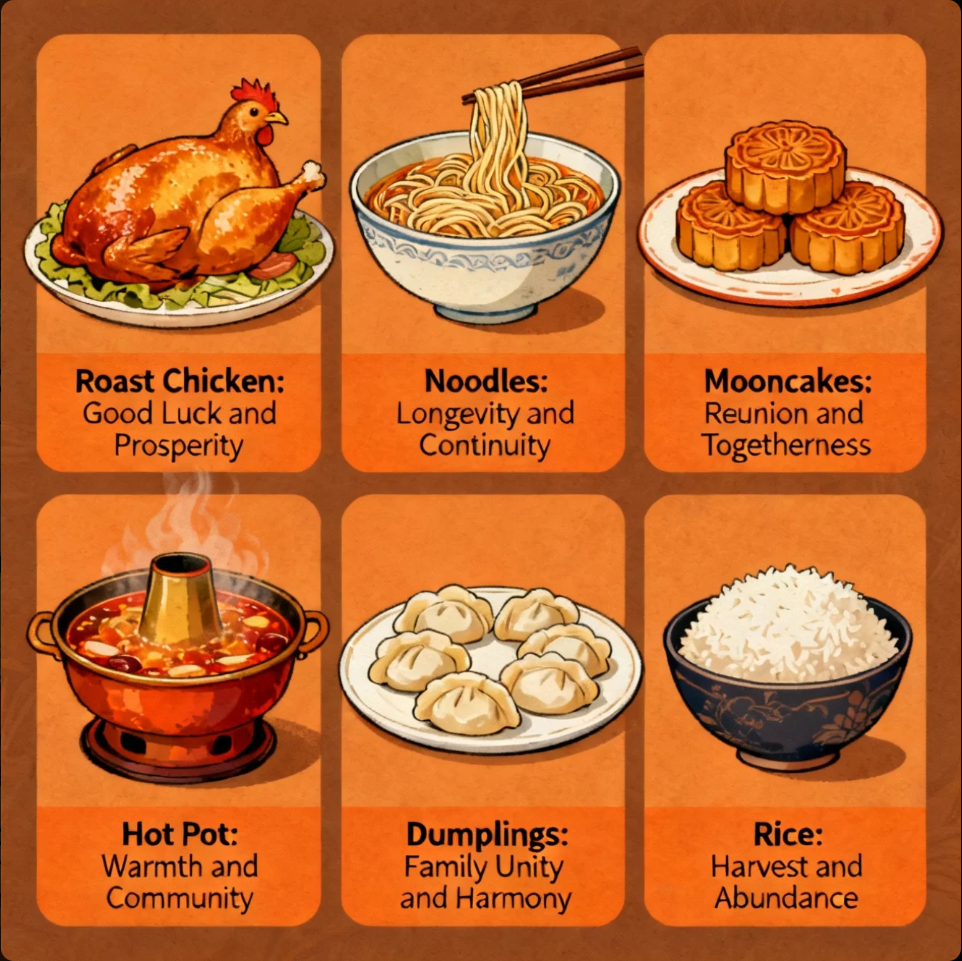
- Rice represents life and sustenance in many Asian cultures
- Bread symbolizes unity and sharing across societies
- Spices reflect trade, migration, and global exchange
When combined thoughtfully, ingredients form a language—one that communicates values, geography, and belief systems.
Cooking Techniques as Narrative Tools
How Food Is Made Tells a Story
Preparation methods also shape meaning:
- Fermentation reflects patience and preservation
- Grilling evokes fire, ritual, and community
- Raw preparations emphasize purity and immediacy
These techniques are not accidental; they are cultural decisions shaped by environment, resources, and worldview.
🔗 Outbound link: BBC Culture – The Meaning Behind Cooking Traditions
https://www.bbc.com/culture
Plating and Presentation as Expression
Visual Storytelling on the Plate
Modern cuisine expands food storytelling through presentation. Minimalist plating may express refinement and focus, while abundant servings can signal hospitality and generosity.
Color, texture, and arrangement guide the diner’s emotional response—turning a meal into a visual and sensory narrative.
Food and Identity
Who We Are, Served
Food is deeply personal. Dishes often represent:
- Family identity
- Regional pride
- Personal memory
A single recipe can evoke childhood, migration, or belonging. In this way, food becomes a powerful medium for self-expression and connection.
🔗 Outbound link: National Geographic – Food and Identity
https://www.nationalgeographic.com/foodfeatures/food-identity/
Restaurants as Storytelling Spaces
Curated Menus, Curated Narratives
In thoughtful restaurants, menus are designed like chapters. Each dish contributes to a larger story—of place, philosophy, or creative vision.
When food storytelling is intentional, diners don’t just eat; they experience meaning.
Why Food Storytelling Matters Today
In a fast, globalized world, food storytelling:
- Preserves cultural heritage
- Encourages mindful consumption
- Builds emotional connection between cook and diner
It reminds us that meals are not transactions—they are shared human experiences.
Conclusion
Understanding food as storytelling reveals that each dish represents more than flavor—it embodies memory, culture, and intention. From ingredients to technique to presentation, food speaks a language that connects past and present, individual and community.
When we learn to listen, every meal has a story worth tasting.
About the Author