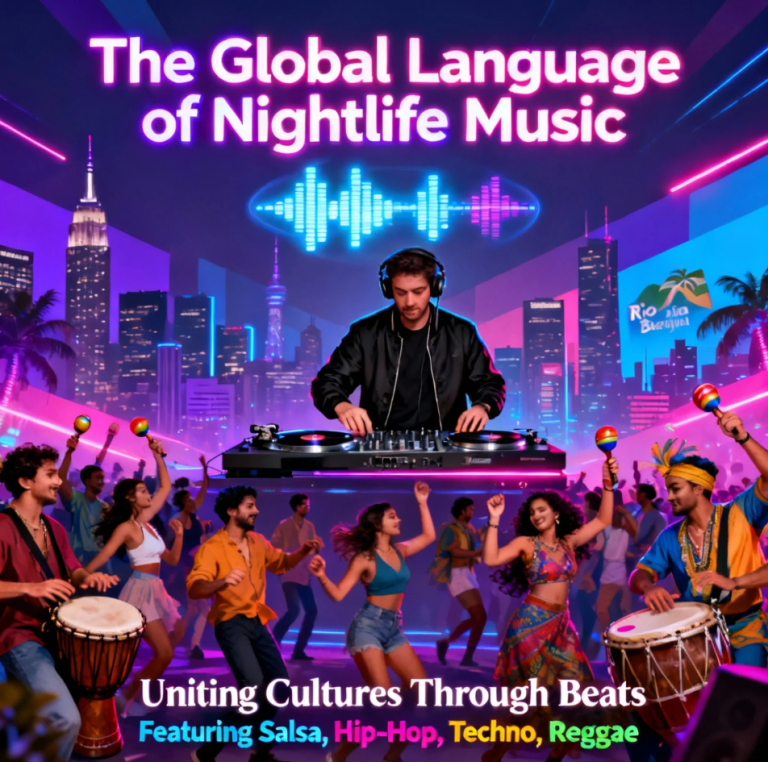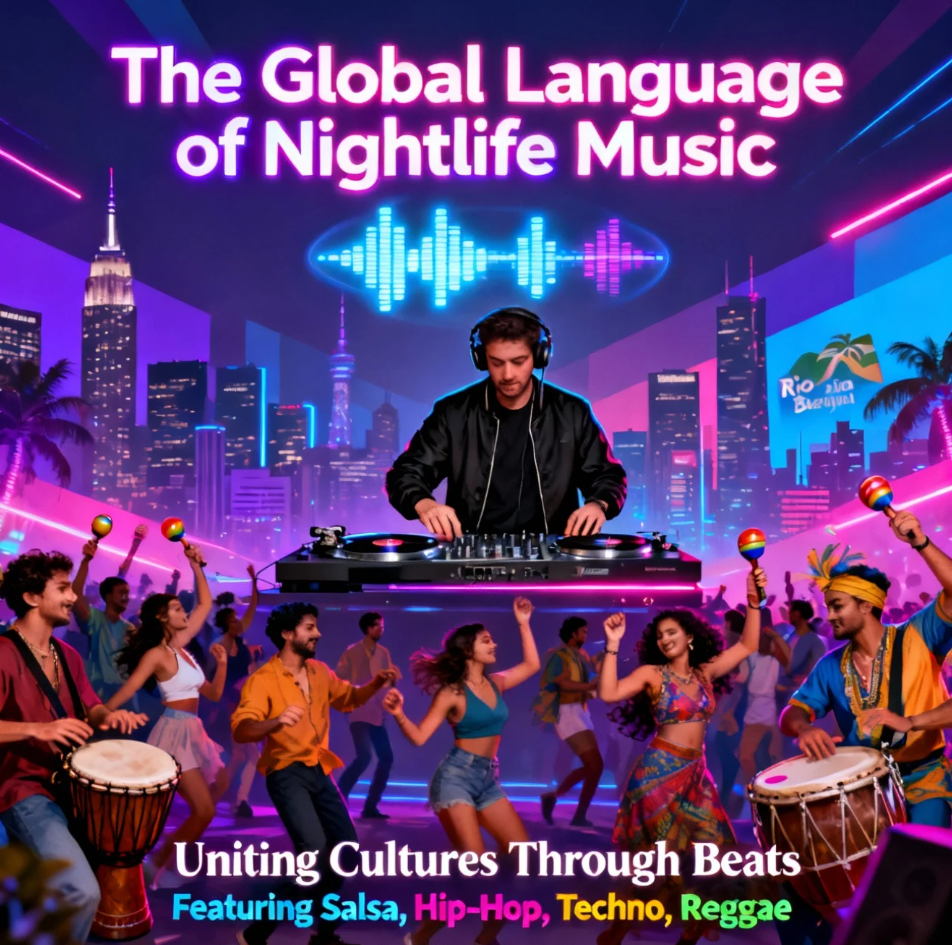
Step into a club in Berlin, Tokyo, Lagos, or São Paulo, and you’ll notice something remarkable: even without speaking the local language, you can understand the night. That’s because global nightlife music speaks in rhythm, energy, and emotion—transcending borders, cultures, and words.
From underground scenes to festival stages, nightlife music has become a universal form of communication.
🌍 1. Rhythm as a Universal Dialect
At the heart of nightlife music is rhythm—something humans instinctively understand.
- Beats signal movement and momentum
- Tempo guides energy and emotion
- Repetition creates connection on the dance floor
Whether it’s techno, house, afrobeat, or reggaeton, rhythm unites strangers in a shared physical experience.
🎧 2. DJs as Cultural Translators
DJs are more than selectors—they’re interpreters of place and mood.
A great DJ:
- Reads the crowd beyond language barriers
- Blends local sounds with global influences
- Creates emotional arcs through music
Their sets become conversations, spoken in basslines and melodies instead of words.
🌐 3. Local Sounds, Global Reach
Nightlife music thrives on local identity, even as it travels globally.
Examples include:
- Detroit techno shaping European club culture
- Caribbean rhythms influencing global dance music
- African electronic and amapiano redefining modern club sounds
Each scene contributes its accent to a shared musical language.
🕺 4. Dance Floors as Shared Spaces
The dance floor is one of the few places where:
- Strangers move together without speaking
- Social status fades into collective rhythm
- Expression replaces explanation
Nightlife music creates temporary communities—united by sound and movement.
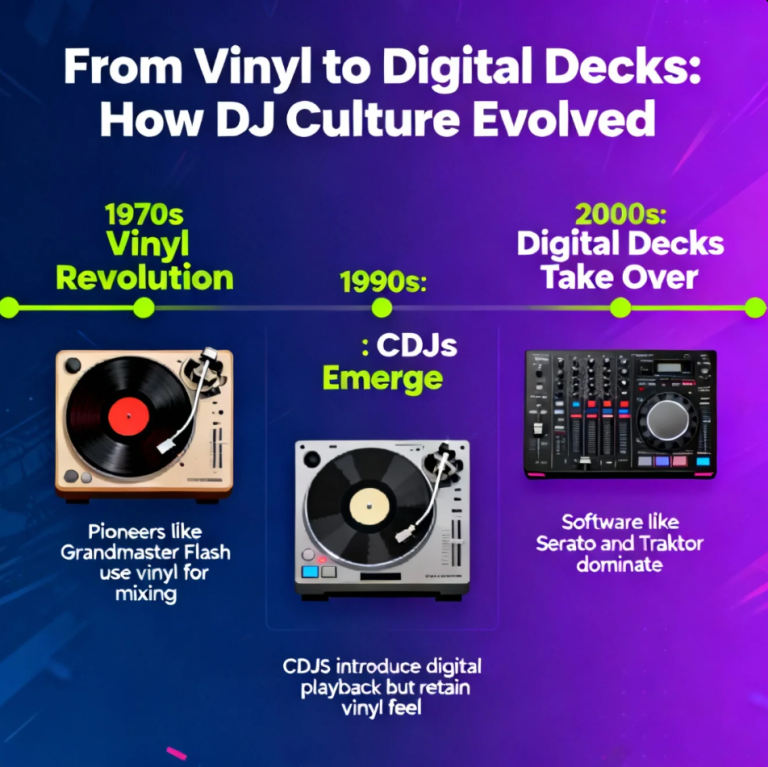
📡 5. Technology Spreading the Night Worldwide
Digital platforms have expanded nightlife’s global reach:
- DJ sets streamed across continents
- Tracks released instantly to worldwide audiences
- Online communities shaping offline scenes
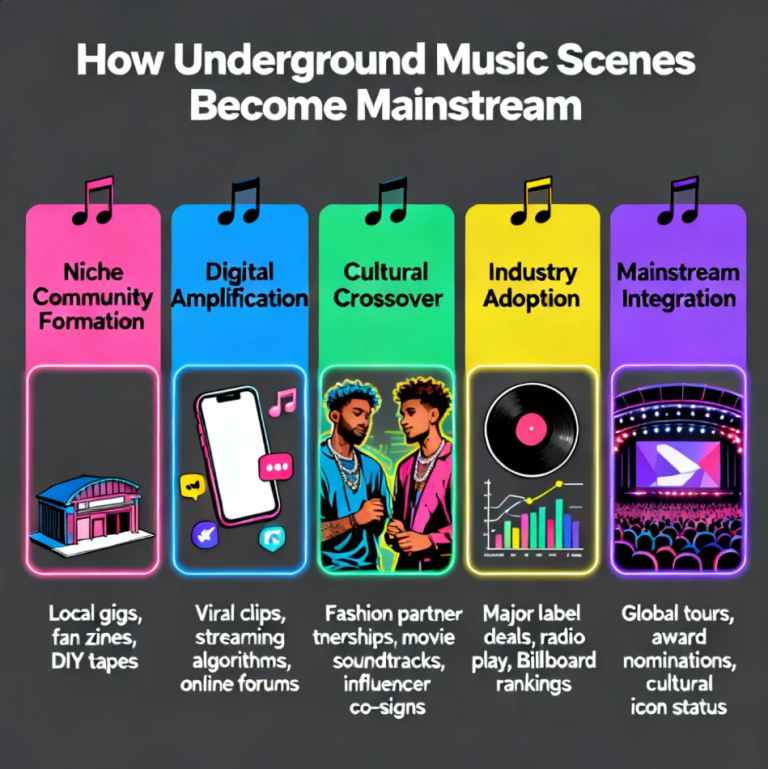
What starts in a basement club can influence dance floors thousands of miles away.
🔮 Final Thoughts: Music That Belongs to Everyone
The global language of nightlife music isn’t defined by genre or geography—it’s defined by feeling. It’s the shared pulse of people gathering after dark to express, connect, and escape.
In a divided world, nightlife music remains one of the purest forms of global communication—spoken in beats, understood by all.
About the Author